Budgeting for Preventative Painting: A More Cost-Effective Way to Protect Commercial Buildings
Painting plays a much bigger role for commercial buildings than just a cosmetic upgrade. That same paint is also a protective barrier that’s one of the most important shields for your entire building envelope.
“Paint is the first protector separating your structure from the elements and anything else that can wreak havoc on your building,” says Michael Tomasone, president of Southwest Companies. “As a result, that beautiful new paint job can extend the life of that original material.”
In short, skipping preventative paint work isn’t saving you money – it’s setting you up for bigger bills and more headaches. Let’s break down the importance of preventative commercial painting and how you can use it to protect your investments.
Why Businesses Should Invest in Preventative Commercial Painting
Emergency repairs cost more than preventative painting by a wide margin
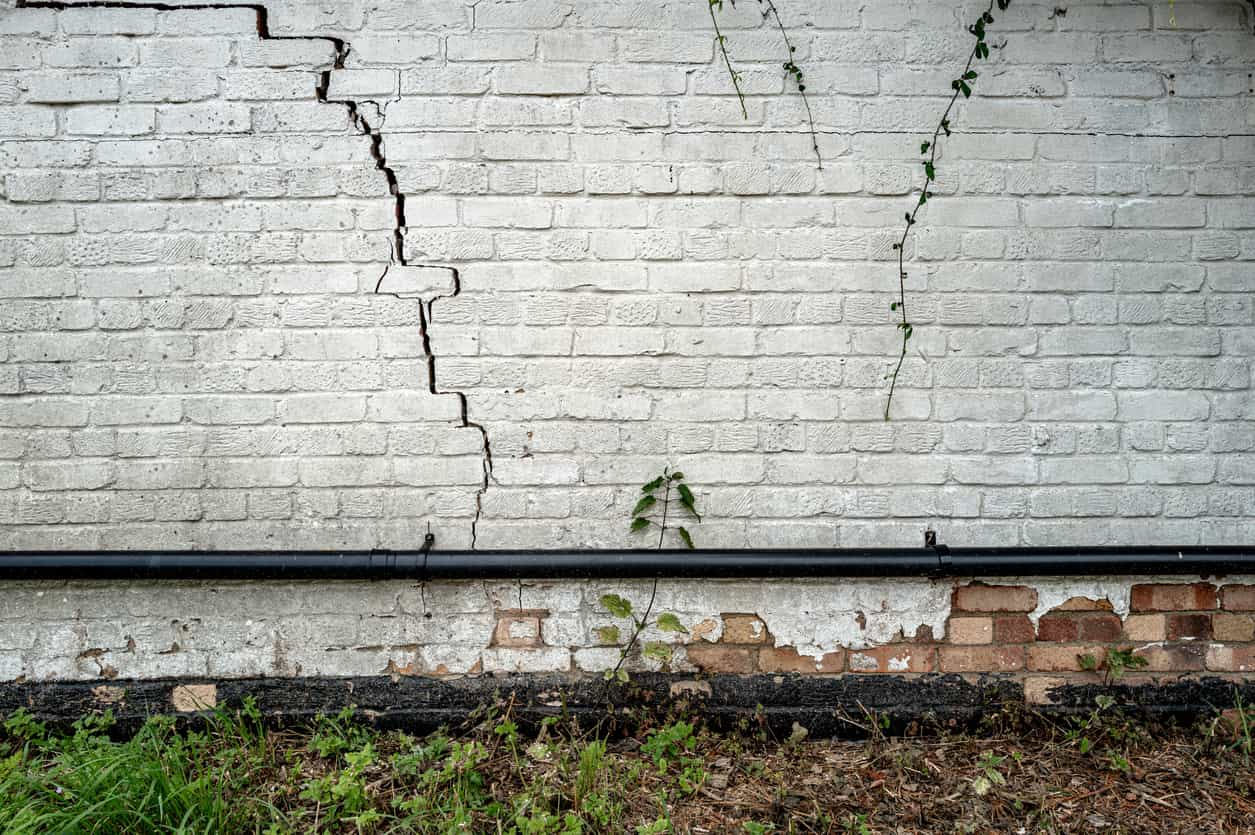
One of the costliest mistakes commercial building owners make is waiting. The more time you take to paint, the more opportunities there are for small cracks and other issues to get exposed to the Northeast Ohio weather.
Preventative painting serves as a shield to protect those tiny cracks and other nearly unnoticeable issues that can balloon into emergency issues. That protective layer makes painting one of the cost-effective tools at commercial building owners’ disposal.
Painting involves a lot more work than simply slapping a few coats on a building. A durable paint job is the result of a lot of smart prep work. For example, you’ll need to identify the right type of caulk to fit the needs for your building, including:
Latex: The standard option for filling cracks before laying down a latex top coat of regular or breathable waterproofing paint.
Polyurethane: Typically used with wood and other materials with more movement that will still be covered in paint.
Silicone: Often used for applications like metal or brick that won’t be painted over due to its ability to withstand movement and UV resistance.
While caulking is just one notable example, there’s still plenty of other areas to address ranging from paint selection based on substrates to prep work to ensure the surfaces are in good condition before you paint over them.
“The paint is just the end result,” Michael says. “It all depends on what the building is made of, but there’s always some type of additional work that must be done prior to the paint job.”
According to Michael, a proper paint job may require some additional tuckpointing services, cement work, wood replacement, and other work to get the building in position to paint it. Preventative commercial painting can drastically reduce the amount of fixes and prep work needed to paint. In turn, a little proactive painting can be a useful tool for reducing future costs.
Northeast Ohio’s freeze-thaw cycle is relentless
Weather takes a notable toll on buildings, and Northeast Ohio is particularly hard on your properties. What was once a barely visible crack can turn into a half-inch gap or bigger over the span of a few winter seasons.
“From a freeze-thaw standpoint, Northeast Ohio is one of the harshest freeze thaw points in the country by far,” Michael explains. “That constant expansion and contraction wreaks havoc on paint and caulk, and that moisture isn’t going anywhere even if it doesn’t freeze and expand.”
All that continuous saturation and movement causes ongoing damage that can lead to notable emergency repair costs. Preventative painting helps you identify cracks, failed sealants, and other issues that can lead to problems before they grow too big, and then create a new protective layer of paint to shield your building envelope from the wear and tear of Northeast Ohio’s weather.
Emergencies affect more than just repair costs
We’ve already established that reactive repair costs 30% more on average than proactive construction services. That 30% difference only factors in the price of services themselves, as there are several other factors that cost your business time and money:
Emergencies can cause unplanned downtime that stops your ability to generate revenue
Addressing emergencies takes up valuable time and resources that could be used elsewhere
Building issues may lead to a loss of tenants and rental revenue
Structural issues and other emergencies can have a negative effect on your brand’s reputation
While it’s much harder to put an exact number on those costs, they certainly add up. Preventative painting helps businesses avoid these extra complications in addition to limiting the need for reactive repairs.
How Often You Should Plan for Preventative Painting
Most commercial paint systems will last between 7 to 10 years. While it may be tempting to hold out for a decade before you paint your property again, it’s best to get ahead of any issues by getting an early start.
At Southwest, we recommend scheduling a walkthrough five years after your building is painted to check the state of your property. This proactive practice allows you to spot early issues ranging before they become a problem.
“We’re trained to try and get the most life out of your investment, protect your building, and maintain the property value,” Michael states. “I’d rather get a call in year five for a walkthrough and a few touch-ups than fix failures after they’ve spread.”
Since each building is so different, there isn’t a hard number for how much you should budget for preventative painting. Instead, it’s best to focus on how much you can save by budgeting for this work based on the potential problems each building faces. A site walkthrough or annual building envelope analysis can help you identify long-term needs and set a maintenance that makes sense for your properties.
What if I Already Need Reactive Repairs?
While prevention is ideal, emergencies happen. Michael shares that most businesses call about reactionary maintenance issues before they think about prevention. However, businesses can still save in the future by embracing preventative paint work.
“We first address your immediate needs, but we can then put a maintenance plan together to help avoid future problems,” Michael shares. “This plan allows us to create a much more palatable financial approach where you’ll have a set schedule for work instead of dealing with costly emergencies.”
Start Saving with Preventative Commercial Painting
Don’t let emergencies dictate your painting plans. Now is the right time to add preventive painting into your plan so that you can set your own baseline and eliminate future headaches.
Southwest Companies is a self-performing contractor with more than 30 years of experience in Northeast Ohio. That means you don’t pay an extra layer of markup for a general contractor. You get one point of contact, one coordinated crew, and a clear plan for what comes next.
A simple walkthrough can help you prioritize, schedule work around your operations, and avoid the scramble of emergency repairs. Whether you’re worried about protecting your brand, keeping tenants happy, or avoiding unplanned costs, preventative paint work is one of the smartest investments you can make.
Ready to get started? Contact SWC for a walkthrough and a maintenance plan that fits your budget.
Don’t wait for damage to show. See how preventative painting saves money, reduces risk, and extends the life for commercial buildings in Northeast Ohio.
Don’t wait for damage to show. See how preventative painting saves money, reduces risk, and extends the life for commercial buildings in Northeast Ohio.