Sealing Your Building Envelope: Everything Commercial Building Owners Need to Address in Northeast Ohio
Northeast Ohio weather is hard on commercial buildings. Between harsh winters and long freeze-thaw cycles, that natural wear and tear tests every part of your building’s exterior. And when these small vulnerabilities go unaddressed, all those exterior issues can turn into emergency leaks, interior damage, and unplanned downtime.
While you can’t prevent the weather, you can take steps to stop it from entering your building. Sealing your building envelope is one of the most effective ways to protect your property, control costs, and avoid surprises before, during, and after winter.
Below, we’ll break down what it means to seal your building envelope, where commercial buildings are most vulnerable, and how commercial property owners and managers can do to protect their investments and prevent costly reactive repairs.
The Importance of Sealing Commercial Building Envelopes in Northeast Ohio
A building envelope is a term used to describe every part of your building that separates the interior of your property for the outside environment. All these elements, including the walls, windows, and roof, work together to keep water, wind, and other unwanted intrusions from making their way into your buildings and causing problems, including:
Emergency repairs during unsafe weather
Interior water damage
Mold and insulation failure
Tenant disruption or lost business hours
Significantly higher repair costs than preventative maintenance
A proper seal is recommended no matter where your building resides, but it’s particularly important in Northeast Ohio. The problem in this region is more than just the severe cold; it’s the constant temperature swings.
“Freeze-thaw cycles are extremely damaging,” explained Kyle Gedeon, general manager at Southwest Companies. “Once water gets in, it spreads. What starts as a small issue can turn into an entire wall or roof section needing repair.”
Northeast Ohio’s freeze-thaw cycle can range from early fall to late spring, creating a regular cycle of freezing and thawing temperatures that cause ice to expand and contract dozens of times throughout the season. All those fluctuations lead to more opportunities for materials to crack, pop, or pull apart.
Common Building Envelope Vulnerabilities (and How to Address Them)
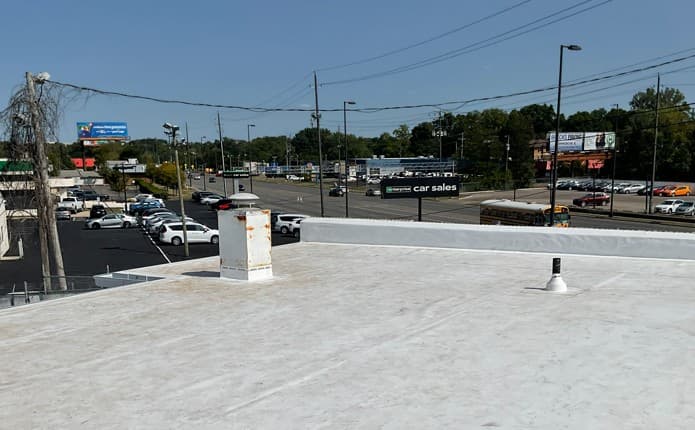
Flat Roofing
Flat roof systems can last for 20 or more years depending on the material, but Northeast Ohio puts them to the test. According to Kyle, winter is particularly tough on your flat roof.
“Every year, I get a lot of calls during the freeze-thaws,” Kyle said. “All that snow and ice accumulates on the roof and it’s very damaging on the building. Once it all melts, you’ll have roof leaks that are really tough to repair when it’s snowing, raining, or freezing cold outside.”
While winter weather often exposes roof problems, the truth is that roof problems can begin months earlier. Clogged drains, cracked membranes, and failing flashing can accelerate the demise of your roof, leading to interior issues before, during, and after winter.
What Southwest Recommends
The most effective way to prevent costly leaks and reduce emergency repairs is a proactive roof inspection program. This inspection is ideally done in the fall to identify issues before the freeze-thaw cycle starts. A professional roof inspection should include:
Clearing debris and leaves from the roof surface
Inspecting and cleaning drains
Checking membrane seams, laps, and penetrations
Evaluating flashing at parapet walls and roof edges
Identifying blisters, cracks, or soft spots
Brick, Block, and Mortar Facades
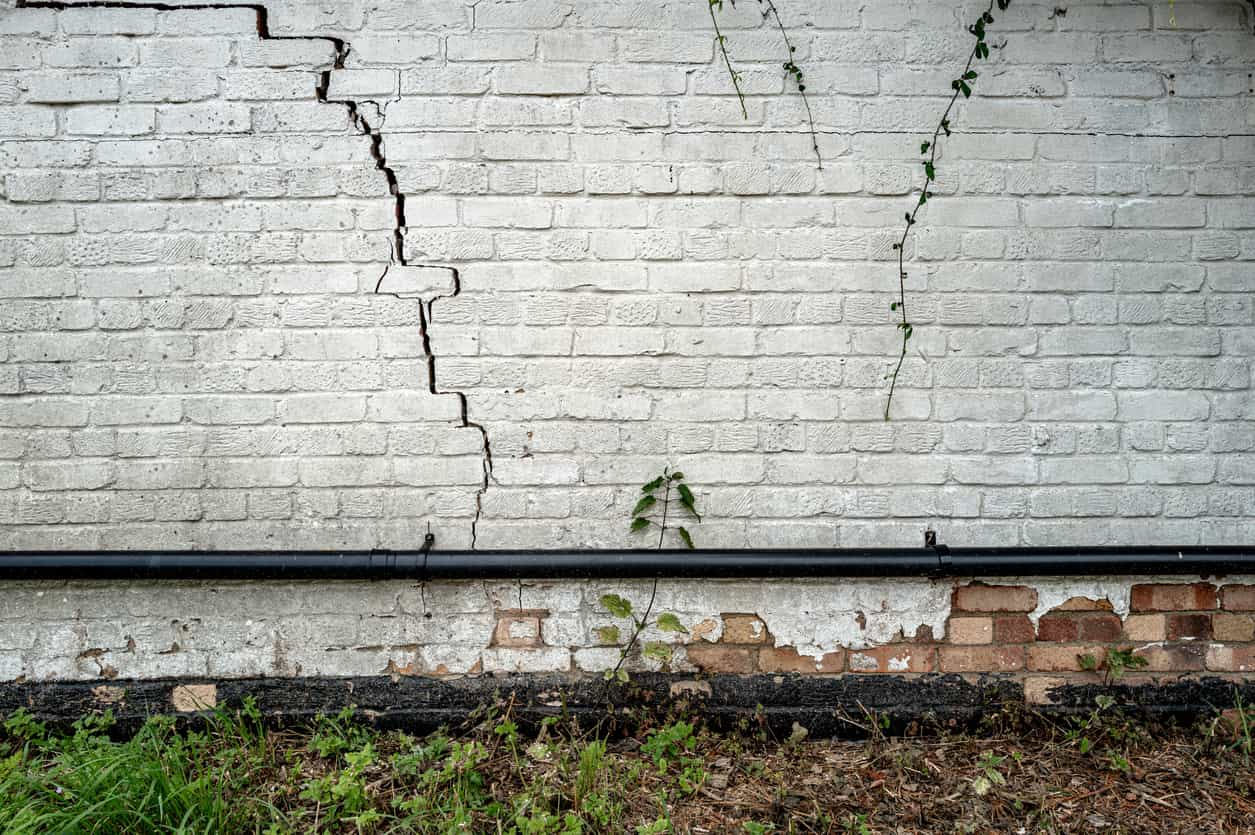
Masonry exteriors may seem solid, but they’re actually porous materials. Brick, block, and other masonry facades naturally absorb water without proper sealing, and that slowly works its way into wall systems, insulation, and interior spaces. Common issues include:
Efflorescence (white staining)
Mold growth
Mortar popping or cracking
Brick spalling or shaling
Interior leaks that are difficult to trace
Freezing and thawing temperatures can turn small cracks into notable gaps, but this vulnerability exists year-round. Wind-driven rain, humidity, landscaping irrigation, and even routine cleaning can introduce moisture into masonry. Over time, repeated wetting and drying cycles weaken mortar joints and cause brick faces to deteriorate.
“Once moisture gets in, it starts spreading,” Kyle explained. “What might look like a small problem today can turn into an entire wall needing repair.”
What Southwest Recommends:
The solution isn’t to block moisture completely; it’s to control it properly. Professional masonry sealing creates a breathable, protective barrier that:
Prevents moisture from entering your façade
Allows trapped moisture to escape
Preserves the appearance of the façade
Most masonry sealers last 7–10 years, making this a cost-effective, long-term investment that protects structural integrity and reduces future repair costs.
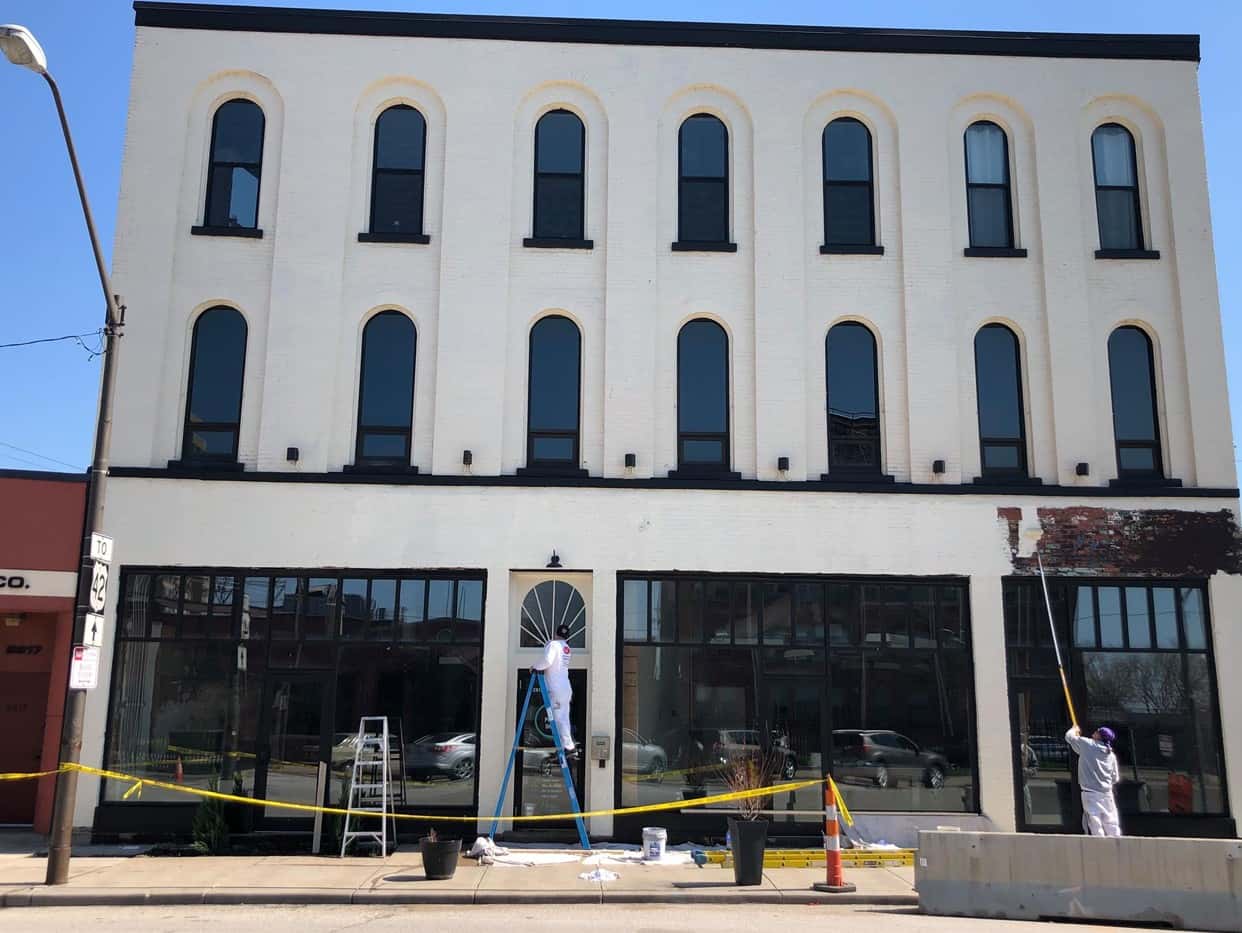
Painting and Exterior Coatings
Exterior siding and paint systems do far more than make a building look good. A good paint job or coating acts as a protective barrier between your structure and everything you want to keep out of your building. When that barrier fails, moisture intrusion often follows quickly.
Paint and coating failure doesn’t usually happen overnight. It begins with regular UV exposure, temperature fluctuations, and moisture infiltration that causes these barriers to lose adhesion. Metal siding presents additional challenges, as finishes can degrade over time and can lead to corrosion and water intrusion.
What Southwest Recommends:
You can’t stop the elements, but you can take measures to limit their impact. Early detection and preventive painting help you reinforce what is often your building’s first defense against rain, snow, and other massive issues. Regular exterior inspections should look for:
Blistering or peeling paint
Cracking and blistering
Exposed substrates
Rust or corrosion on metal siding
In buildings with known moisture issues, Kyle recommends waterproofing masonry coatings that have weather protection built into the paint. Sherwin Williams’ LOXON XP Waterproofing Masonry Coating allows property owners and managers to address existing issues and take an extra step toward protecting their investment.
Caulking and Sealants
Caulking and other sealants can be easy to overlook compared to larger elements of your envelope like your walls and roof, but these small connection points play a pivotal part in sealing your building. The problem is that temperature shifts can set them up for an early demise.
“These buildings expand and contract, which causes the caulk to separate or split in half,” Kyle explained. “If windows aren’t properly caulked, you’ll get moisture in your building.”
Between regular expansion, UV exposure, and other issues, caulking and seals can form defects that allow moisture to seep into small spaces. That intrusion can lead to insulation damage, mold growth, and interior staining far from the original entry point.
What Southwest Recommends:
Window and sealant maintenance should be routine, not reactive. A thorough inspection of your caulk and seals should include annual inspections and the removal and replacement of any failed seals.
However, there’s more to replacing caulk than filling in the gaps. We try and match different products to your specific application to provide cost-effective sealing that can last through hot summers, freezing winters, and everything in between. Professional caulking products include:
Latex for filling cracks before laying down a latex top coat of regular or breathable waterproofing paint.
Polyurethane for wood and other materials with more movement that will still be covered in paint.
Silicone for metal, brick, or other materials that won’t be painted over, as silicone is excellent at withstanding movement and UV resistance.
Concrete and Parking Areas
Concrete is often overlooked as part of the building envelope, but it plays a critical role in protecting structures from moisture intrusion. While foundations, entryways, and parking lots are outside the building, cracks and surface deterioration allow water to enter your property while creating additional issues outside your building.
“Concrete is porous, and it only gets worse once it starts to fall apart,” Kyle said. “It’s also best to do work on sealing concrete before winter because it’s a lot more troublesome to work with in the cold season.”
What Southwest Recommends
It should come as no surprise that preventative maintenance is essential for limiting concrete issues. Preventative concrete maintenance includes:
Inspecting for cracks, spalling, and surface wear
Sealing joints and control cracks
Addressing drainage issues that direct water toward the building
Making repairs before cold weather limits repair options
Maintaining also does more than help seal your envelope. Preventative concrete work can reduce liability risks and preserve ADA compliance and customer safety. It also helps prevent more expensive structural repairs down the road.
When is the Right Time to Seal Your Building Envelope?
Ideally, fall is the best time to inspect and seal your building’s exterior. By taking steps before winter, you can address problems before the winter weather can make them worse. If you missed that window, a spring assessment is the next best step so that you can:
Identify winter damage
Prioritize repairs
Plan ahead for the next season
Regardless of the timing, one thing is for sure – building envelope analysis can help you make smart, preventative decisions for your properties. Sealing your building envelope isn’t about overbuilding or overspending; it’s a matter of getting the most out of your investment.
“Just like anything else in life, you want some foundational elements to last longer,” Kyle explained. “You want your shoes, your hat, and other things to last longer, so you clean them or waterproof them. People should treat their building like that as well.”
Start Protecting Your Building Envelope with Southwest Companies
Southwest Companies offers building envelope analysis and extensive commercial construction and restoration services tailored to commercial properties across Northeast Ohio. You’ll get clear explanations, practical recommendations, and one point of contact from assessment through execution.
Ready to get started? Contact Southwest about how we can help you protect your buildings inside and out.
Don’t wait for damage to show. See how preventative painting saves money, reduces risk, and extends the life for commercial buildings in Northeast Ohio.
Don’t wait for damage to show. See how preventative painting saves money, reduces risk, and extends the life for commercial buildings in Northeast Ohio.