The Hidden Costs of Ignoring Commercial Building Maintenance (and How to Avoid Them)
Commercial properties rarely fail overnight. Most building issues stem from small problems that quietly grow until they become expensive emergencies that demand attention – unless they’re fixed before too late.
The best way to avoid costly construction costs is to avoid them altogether. Preventative maintenance allows businesses to invest in their buildings now to save more money later. Let’s break down the important role building maintenance plays and how it’s more cost effective than waiting for repairs.
What Counts as Commercial Building Maintenance?
Commercial building maintenance is the work that goes into inspecting, repairing, and restoring your commercial properties. This process doesn’t cover new construction or insurance claim work, instead focusing on ongoing care for various parts of your existing buildings. These can include:
Preventative Building Upkeep vs. Reactive Repair: Where the Real Money Goes
The debate between preventative maintenance and reactive repair comes down to paying a little earlier to save a lot later. Simply put, avoiding maintenance for some short-term savings is a massive gamble for a couple of key reasons.
1. Major Construction Costs More than Maintenance
Saving money by avoiding maintenance costs may seem nice at first, but a major water intrusion or some other emergency can quickly wipe out those savings and more. The problem for building owners is that wear and tear is a normal part of managing a building.
“At the end of the day, everything is going to deteriorate over time,” says Michael Tomasone, president of Southwest Companies. “If you push the limits on how long you go without maintaining masonry, window caulking, and everything else, you may end up in a position where you’re spending more money to fix a problem you could have addressed in the first place.”
Based on our experience, preventative maintenance work is at least 30% cheaper than reactionary maintenance or repair. A few common hidden issues that ongoing maintenance can find and address before they become complicated problems include:
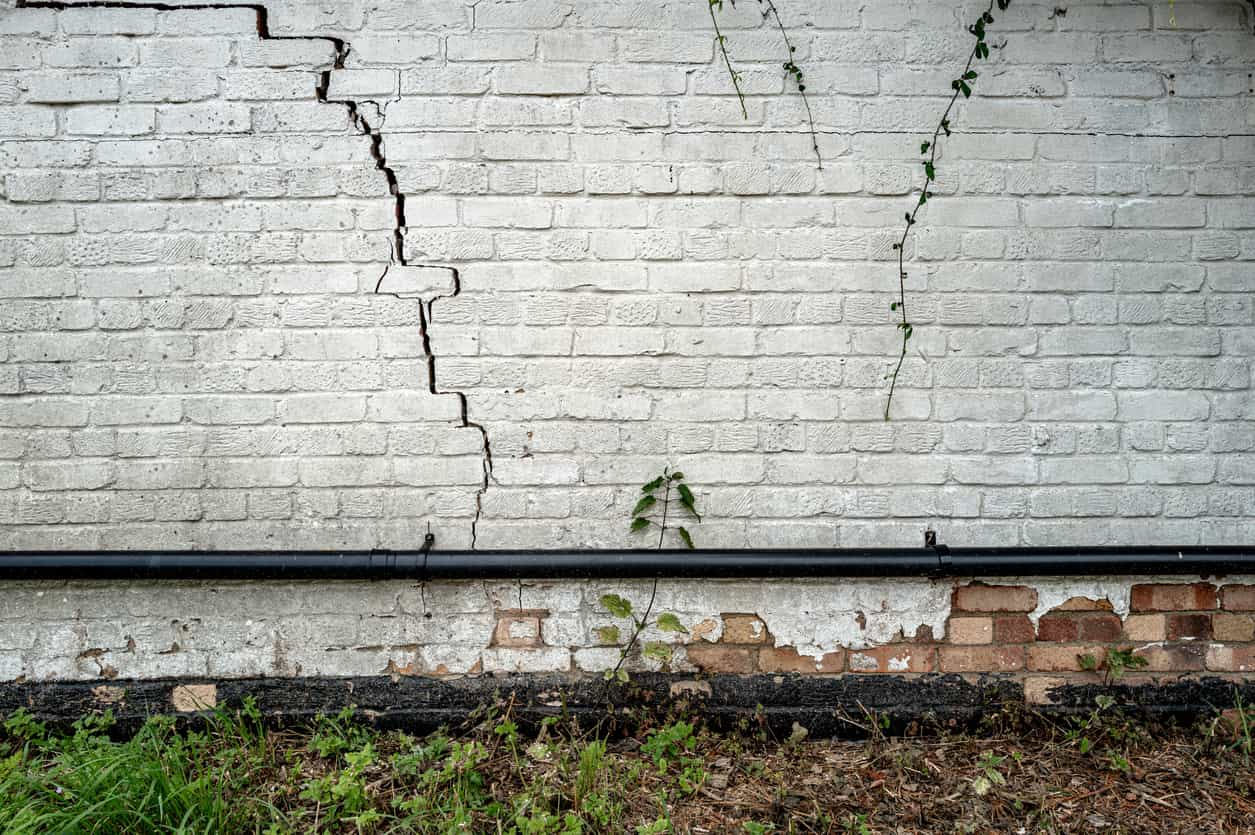
Mortar joint deterioration and control-joint/sealant failure that invites wind-driven water into the building shell.
Roof or window leaks that hide out of sight until interior damage appears.
Bubbling or peeling paint that signals trapped moisture that can damage substrates.
2. Northeast Ohio’s Weather Wreaks Havoc on Buildings
Northeast Ohio is tough on buildings, and avoiding maintenance can allow weather-induced issues to snowball into massive repair jobs. There are a variety of challenges that commercial assets face in this region:
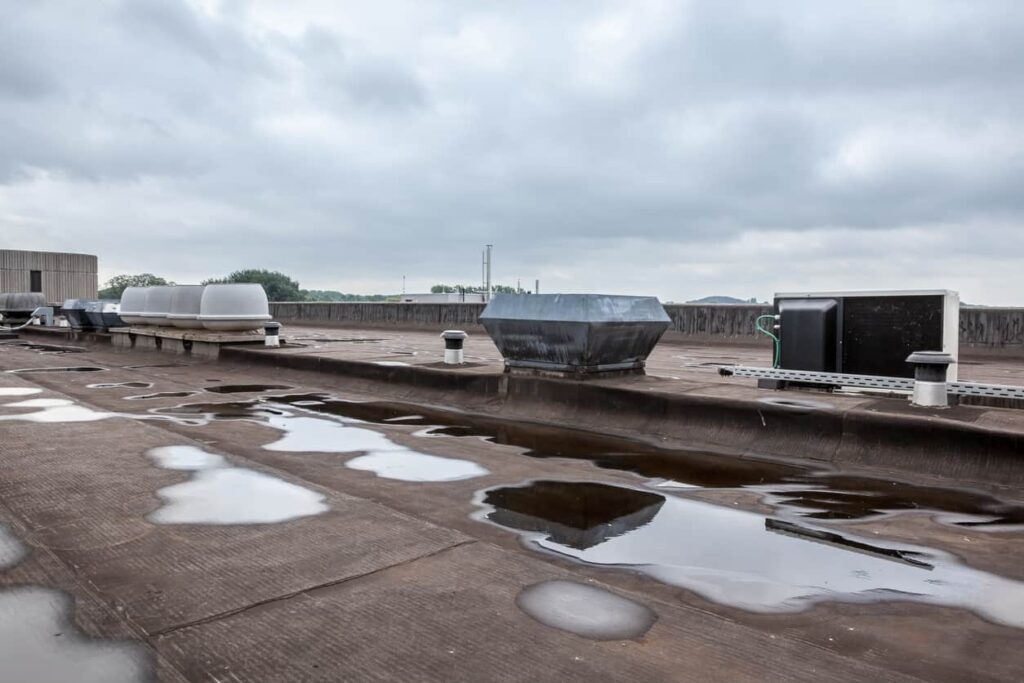
Lake-effect snow and ice that can overwhelm gutters, cause ponding, and even cause roof collapses.
Deicing salts that can cause corrosion and scaling that affects stairs, joints, and other parts of your façade.
Wind-driven rain and spring downpours increase water intrusion risk by pooling around entry points.
Summer heat and UV exposure age and weaken roof membranes, sealants, and other forms of protection.
3. Reactive Repairs Have Financial Impacts Beyond Construction Costs
That difference only accounts for the services required to address those emergencies. Reactive repairs can also lead to several other issues that affect your bottom line:
Unforeseen downtime that shuts down your ability to generate revenue
Loss of tenants and rental revenue caused by building issues
Negative effect on your brand’s reputation
Extensive time required to address these issues and find a company to address them on short notice
Regular maintenance also offers another notable benefit – fewer headaches. Emergencies are a major aggravation, and ones that demand your immediate attention. Recurring commercial building maintenance helps you stay ahead of these repairs before they get so bad that you’re forced to deal with them.
How to Start: Annual Building Envelope Analysis
If you’re wondering when you should start investing in commercial building maintenance, the short answer is sooner rather than later. It’s best to make maintenance a habit instead of a reaction, and the first step is to conduct a full review of your building.
This review, known as a building envelope analysis, is like a doctor’s appointment for your structure. A commercial construction contractor can examine the roof, walls, and other parts of your building to identify immediate issues, flag potential problems, and make recommendations for improvements. These findings can help you:
Prevent more extensive, costlier repairs in the future
Enhance building durability to better shield your structure from weather damage and other threats
Improve indoor comfort through better sealing and other solutions
Reduce energy costs by addressing leaks and other inefficiencies
Also like a doctor’s appointment, building envelope analysis is a recurring review. Time takes its toll on buildings, especially when they deal with Northeast Ohio weather.
An annual building envelope analysis allows your business to stay ahead of costly issues and act when needed. This process allows you to cooperate with a contractor to develop a practical maintenance schedule with seasonal and annual tasks based on your priorities.
Do All Buildings Require Recurring Property Maintenance?
If it has walls and a roof, it’s generally in your best interest to have an annual building envelope analysis. Older buildings are more prone to the effects of wear and tear, but new buildings aren’t exempt from issues.
Leaks and other problems can happen to any building after a long, hard winter and the impact of a harsh freeze-thaw cycle. While it might be easy to assume that newer conduction can buy you time, an “out of sight, out of mind” approach only works until you’re stuck with a surprise five- or six-figure emergency repair bill.
Another benefit of recurring maintenance is that having the same contractors conduct your building envelope analysis can pay dividends over time. Like your doctor, a contractor gets to know your building more after multiple inspections. This familiarity can help with future reviews, as they’ll know specific issues to look for and streamline the overall process for everyone involved.
Quick Checklist: Commercial Building Red Flags Worth a Call
While it’s best to stay proactive, it’s also important to watch out for certain warnings signs that can indicate that it’s time to schedule an analysis right away. The following signs can indicate that your building is hiding some serious problems:
New cracks or spalls in masonry or concrete
Gaps or aging at window/door sealants and control joints
Stains on interior ceilings or walls after weather events
Paint that bubbles, blisters, or peels
Ready to Save Money and Stay Ahead of Emergency Repairs?
Small issues are cheaper issues. We work with commercial building owners across Northeast Ohio to walk through their properties, document the facts, and map out a clear, prioritized plan with itemized budget breakdowns so you can protect the asset, control costs, and keep business moving. Reach out to SWC to request a building envelope analysis for your commercial asset today.
Don’t wait for damage to show. See how preventative painting saves money, reduces risk, and extends the life for commercial buildings in Northeast Ohio.
Don’t wait for damage to show. See how preventative painting saves money, reduces risk, and extends the life for commercial buildings in Northeast Ohio.